



In the global economy, the concept of monopoly remains a pivotal subject of discussion, influencing markets and consumer behaviors. The term “monopoly” refers to a market structure where a single entity dominates an industry, controlling all or nearly all aspects of a particular good or service. This scenario often raises concerns about pricing, innovation, and consumer choice, but comprehensively understanding monopolies requires a deep dive into its dynamics, advantages, disadvantages, and regulations.
A monopoly exists when a particular company or entity is the sole or dominant provider of a good or service in the market, effectively eliminating any viable competition. This dominance can result from various factors, including ownership of a vital resource, government regulation, or the natural economy of scale.
Three main characteristics define a monopoly:
The presence of a monopoly in the market can have significant implications for both consumers and the economy at large.
Monopolies can lead to higher prices since the lack of competition allows the monopolist to set prices at their discretion, often above what would be feasible in a competitive market. This situation limits consumer choice and can stifle innovation, as there’s less incentive for the monopolist to improve products or services.
From an economic standpoint, monopolies can lead to inefficient resource allocation. With no tangible competition, the monopolist may not utilize resources in the most efficient manner, leading to wastage or suboptimal production. Additionally, it can contribute to economic inequalities, as the entity reaps significant profits without equitable distribution.
Monopolies can be categorized into different types based on their origin and nature:
A natural monopoly occurs when a single company can supply the entire market demand for a product or service more efficiently than multiple companies could due to economies of scale. Utilities such as water and electricity are common examples.
These occur when the government either owns or authorizes a single entity to provide a product or service, such as postal services or public transportation.
A legal monopoly is created through laws or patents, restricting competition by protecting the exclusive rights of an innovator or business along a specific line of trade.
To mitigate the adverse effects of monopolies, governments often step in with antitrust laws and regulations designed to promote fairness, competition, and consumer protection. The legislative landscape surrounding monopolies varies from country to country, but generally includes:
These laws are in place to prevent monopolistic practices by prohibiting mergers and acquisitions that would significantly hinder competition. They work to dismantle existing monopolies and prevent new ones from forming.
In certain industries, governments might impose price controls to protect consumers from price gouging by monopolists.
Many governments establish regulatory bodies to oversee and regulate industries where monopolies are likely to occur, ensuring they operate fairly and transparently.
The term "bethhh PH Login" may initially seem unrelated to traditional economic discussions, yet in contexts where digital platforms or services gain monopoly-like control within certain niches or regions, the mention of specific login or accessibility protocols becomes relevant.
For instance, platforms that act as gateways to significant online services can sometimes expose monopolistic behaviors if they limit accessibility to their services or favor certain user bases over others. In some extreme cases, digital platforms can establish network effects — where the value of the service increases for each new user — potentially leading to monopoly status.
Understanding the influence of digital monopolies through lenses like "bethhh PH Login" emphasizes the need for regulatory bodies to monitor and ensure that no unfair practices emerge, maintaining the integrity and competitiveness of digital markets.
A comprehensive understanding of monopolies requires careful analysis of both market practices and regulatory frameworks. As technology evolves and global markets become interconnected, new forms of monopolistic practices may emerge, necessitating vigilant oversight and policy updates to ensure equitable and fair markets for all participants. The dialogue surrounding monopolies will continue to shape economies and industries worldwide.

Explore the captivating game GoHighGallina. Learn about its engaging features, unique rules, and its connection with current gaming trends. Dive into the evolving world of online gaming with GoHighGallina.

Explore the fascinating world of 'Mermaid', a captivating game, and understand the 'bethhh PH Login'. This article unveils the game's description, introduction, and rules interwoven with current events.

Dive into the captivating universe of GalacticGO. Discover its intriguing gameplay, immersive experience, and how the bethhh PH Login enhances the galactic adventure.

Discover the thrilling universe of GoHighGoneFishing, a captivating game that combines strategy and adventure. This in-depth exploration covers the game's introduction, description, and rules, alongside the latest in gaming news.
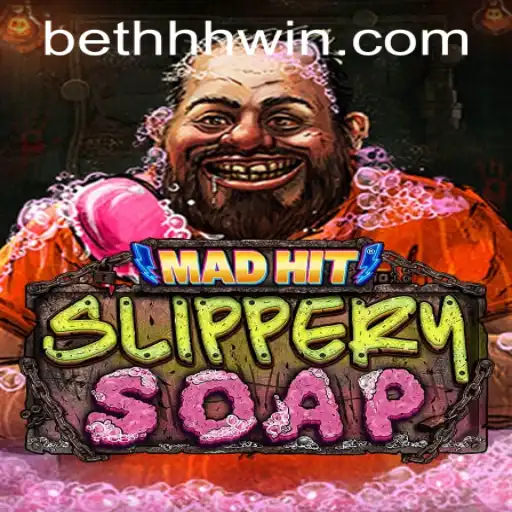
Explore the captivating world of MadHitSlipperySoap, a unique game that combines strategy and humor in a slippery adventure.
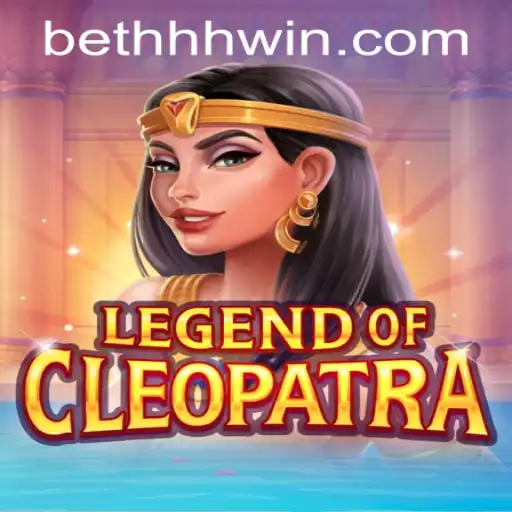
Dive deep into the captivating universe of LegendOfCleopatra, a game embracing the majesty and mystery of Ancient Egypt, juxtaposed against modern gaming technology.
